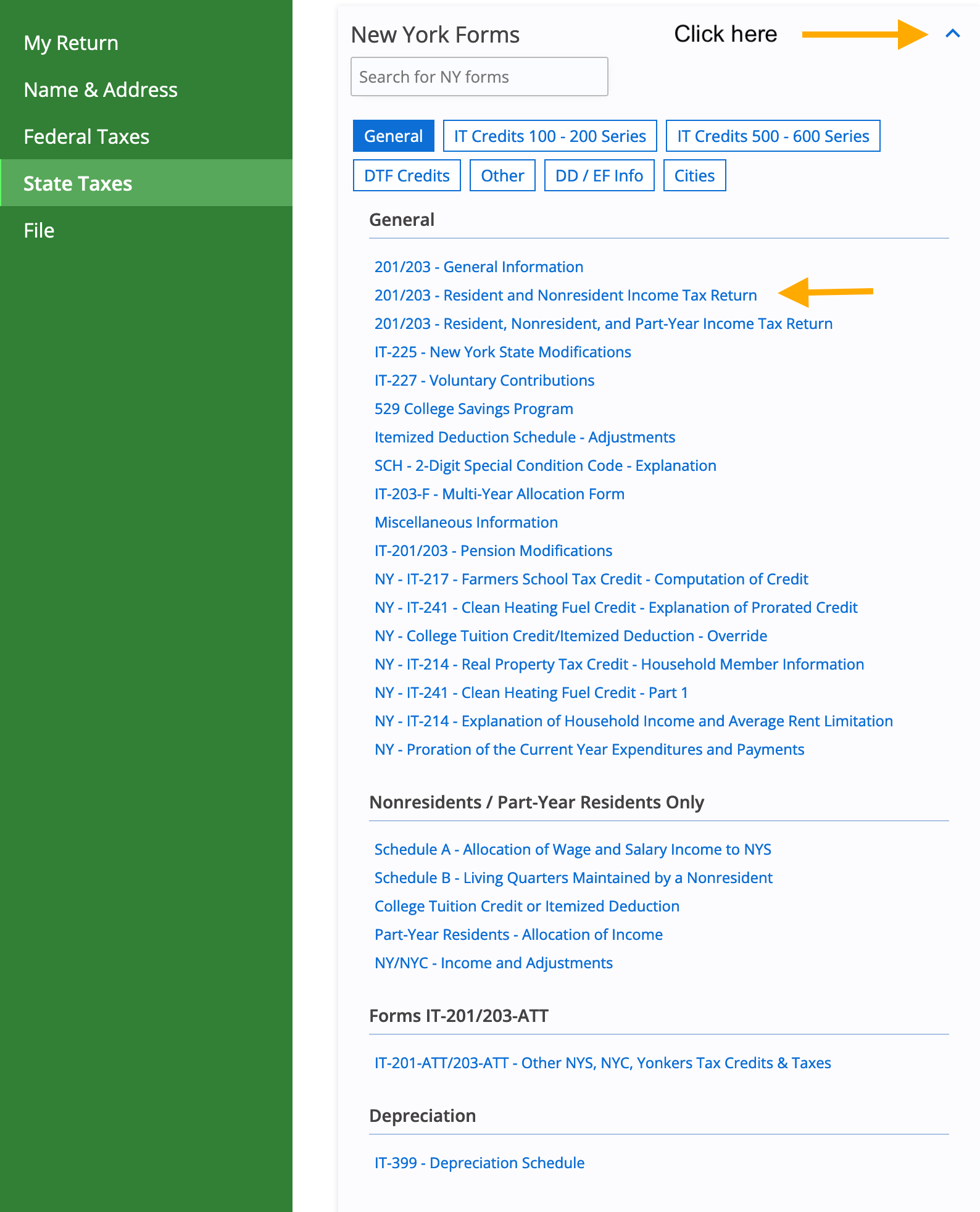
When it comes to filing your taxes in New York State, it’s important to be aware of the various income tax forms that are available to you. Whether you’re an individual, a business owner, or a non-profit organization, there are specific forms that you will need to fill out in order to accurately report your income and pay the appropriate amount of taxes.
Understanding the different types of income tax forms can help make the tax filing process smoother and less stressful. By familiarizing yourself with these forms, you can ensure that you are meeting all of your tax obligations and avoiding any potential penalties or fines.
 New York State Income Tax Forms
One of the most common income tax forms used in New York State is the IT-201 form, which is used by individuals to report their income, deductions, and credits. This form is typically used by residents of New York State who are not self-employed and do not own a business. It is important to carefully review the instructions for this form to ensure that you are accurately reporting all of your income and deductions.
For businesses operating in New York State, there are specific income tax forms that must be filed depending on the type of entity. For example, corporations must file Form CT-3, while partnerships must file Form IT-204. Non-profit organizations must file Form CT-13, which is used to report their income and expenses. It is important for businesses to carefully review the requirements for each form and submit the necessary documentation by the filing deadline.
In addition to the standard income tax forms, there are also specific forms that may be required for certain types of income or deductions. For example, individuals who earn income from rental properties must file Form IT-216, while those who earn income from investments must file Form IT-201-D. It is important to be aware of these additional forms and ensure that you are including all relevant information when filing your taxes.
Overall, understanding the various New York State income tax forms is crucial for accurately reporting your income and paying the appropriate amount of taxes. By familiarizing yourself with these forms and seeking assistance if needed, you can ensure that you are meeting all of your tax obligations and avoiding any potential issues with the tax authorities.