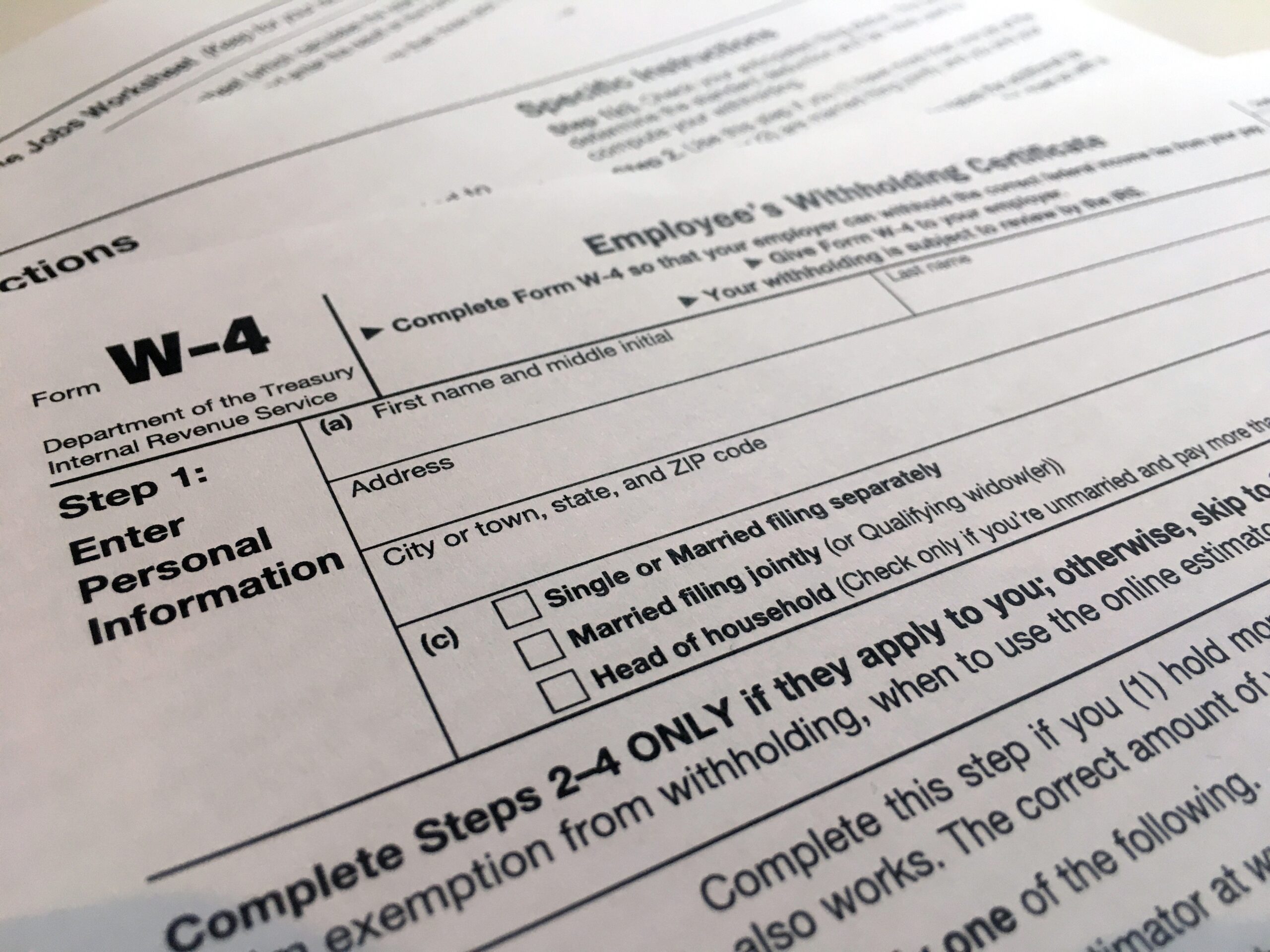
Filing income taxes can be a stressful time for many individuals, but having the right forms and information can make the process much smoother. In the state of Michigan, residents are required to file their state income taxes annually, and understanding the different forms available is crucial.
Whether you are a Michigan resident or non-resident earning income in the state, it is important to familiarize yourself with the various tax forms that are applicable to your situation. The State of Michigan Income Tax Forms provide a comprehensive overview of the income tax process and ensure that individuals are able to accurately report their income and claim any deductions or credits they may be eligible for.
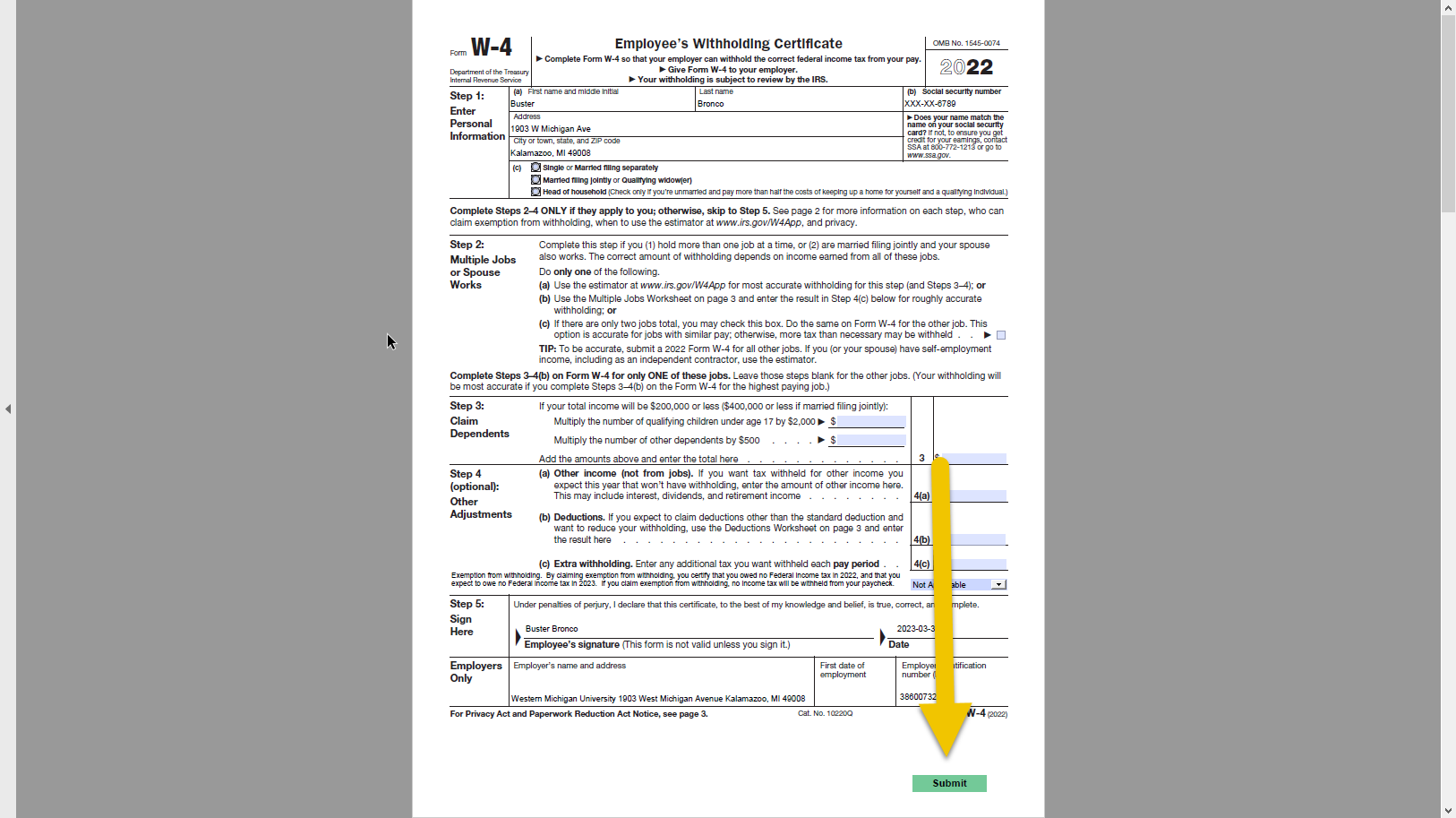 State Of Michigan Income Tax Forms
State Of Michigan Income Tax Forms
When it comes to filing your state income taxes in Michigan, there are several key forms that you may need to fill out depending on your individual circumstances. The most common form is the MI-1040, which is used by residents to report their income, deductions, and credits. Non-residents may need to file the MI-1040CR, while part-year residents can use the MI-1040D.
In addition to these basic forms, there are also various schedules and worksheets that may need to be completed depending on your specific situation. For example, if you have income from self-employment, rental properties, or investments, you may need to fill out Schedule C, E, or D, respectively. There are also specific forms for claiming credits such as the Homestead Property Tax Credit or the Earned Income Tax Credit.
It is important to carefully review each form and its instructions to ensure that you are accurately reporting your income and claiming any deductions or credits that you are eligible for. Filing your state income taxes correctly can help you avoid potential penalties or audits in the future.
Overall, navigating the State of Michigan Income Tax Forms can be overwhelming, but with the right information and resources, you can successfully file your taxes and ensure compliance with state regulations. Be sure to seek assistance from a tax professional if you have any questions or concerns about your tax situation.
In conclusion, understanding the various State of Michigan Income Tax Forms is essential for residents and non-residents alike. By familiarizing yourself with the different forms and requirements, you can ensure that you are accurately reporting your income and claiming any deductions or credits that you may be eligible for. Remember to file your taxes on time and seek help if needed to avoid any potential issues with the IRS.