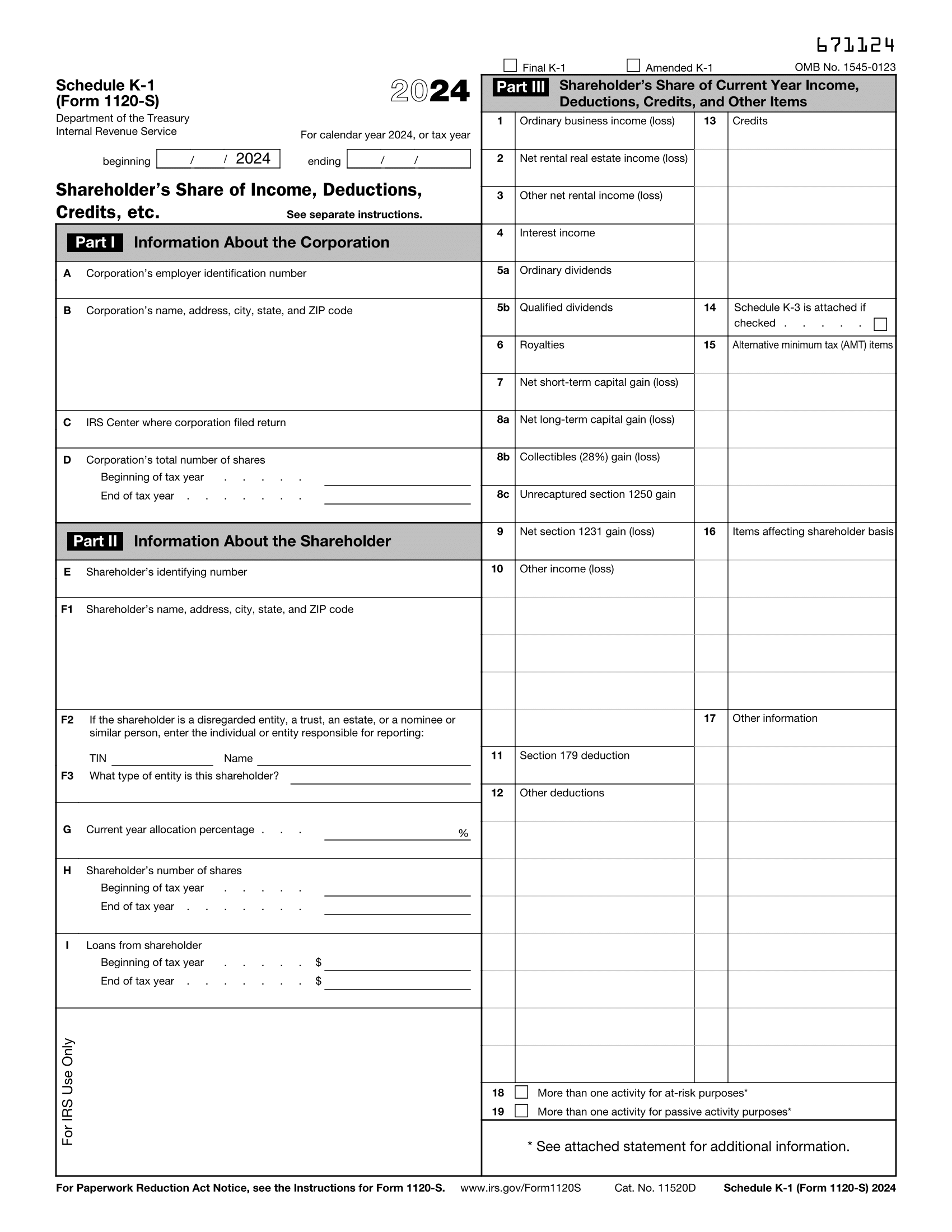
S Corporations, also known as S Corps, are a popular business structure for small to medium-sized companies. One of the key advantages of an S Corp is that it allows for pass-through taxation, meaning that the company’s profits and losses are passed through to the shareholders, who report them on their individual tax returns. However, in order to properly report this income, S Corps must file Form 1120S with the IRS.
Form 1120S is the income tax return form for S Corporations. This form is used to report the company’s income, deductions, credits, and other relevant information. It is important for S Corps to accurately complete and file this form in order to avoid any potential penalties or audits from the IRS.
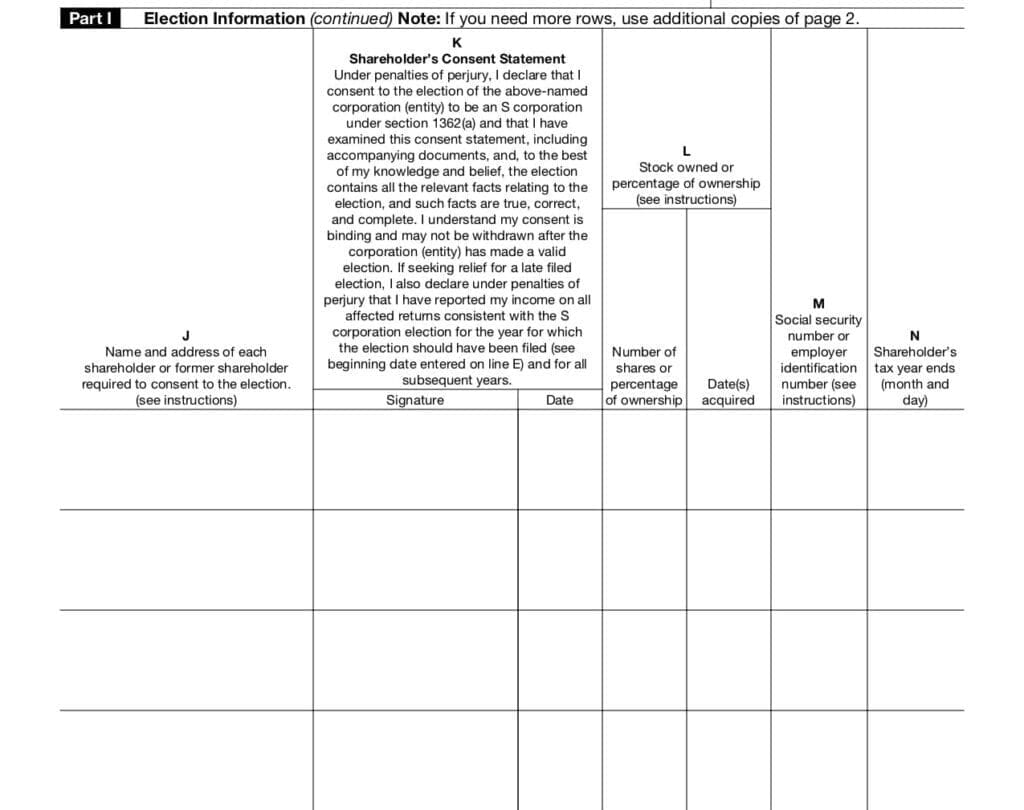 S Corp Income Tax Form
When completing Form 1120S, S Corps will need to provide information such as the company’s income, expenses, assets, liabilities, and distributions to shareholders. Additionally, S Corps must also report any tax credits or deductions that may apply to their business. It is recommended for S Corps to work with a tax professional to ensure that all information is accurately reported on Form 1120S.
Once Form 1120S is completed, S Corps must file it with the IRS by the due date, which is usually the 15th day of the third month after the end of the company’s tax year. Failure to file Form 1120S on time can result in penalties and interest charges, so it is important for S Corps to meet this deadline.
In conclusion, Form 1120S is an essential document for S Corporations to report their income and other financial information to the IRS. By accurately completing and filing this form on time, S Corps can ensure compliance with tax laws and avoid any potential issues with the IRS. Working with a tax professional can help S Corps navigate the complexities of Form 1120S and ensure that all information is reported correctly.